


 Share on Facebook
 Share on LinkedIn
 Share on X
 Share on Pinterest
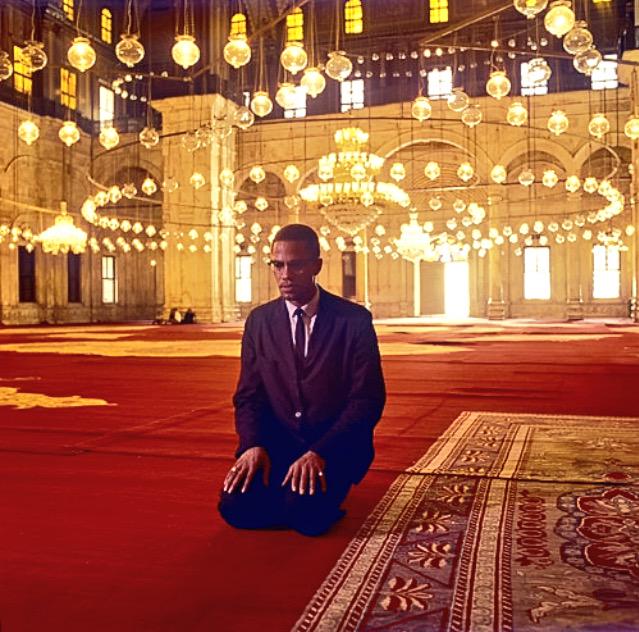
Islam is a diverse religion with a global following, and its followers, Muslims, belong to various sects, schools of thought, and cultural backgrounds. While it's essential to recognize the diversity within the Muslim community, here is a brief overview of some major branches and groups within Islam:
-
Sunni Islam:
- Sunni Muslims constitute the largest branch of Islam, comprising around 85-90% of the global Muslim population. They follow the Sunnah (traditions) of the Prophet Muhammad and acknowledge the first four caliphs as rightful successors.
-
Shia Islam:
- Shia Muslims make up the second-largest sect in Islam, accounting for 10-15% of the Muslim population. They believe in the leadership of Ali, the cousin and son-in-law of the Prophet Muhammad, and his descendants as the rightful successors (Imams). There are various Shia subsects, including Twelvers, Ismailis, and Zaidis.
-
Ismaili Shia:
- Ismaili Shia are a branch of Shia Islam who follow the Ismaili Imamate. They are further divided into various communities, each led by an Imam who is considered the spiritual leader.
-
Sufism:
- Sufism, also known as Islamic mysticism, transcends sectarian boundaries and focuses on the inward search for God and spiritual closeness. Sufis can be found within both Sunni and Shia communities, and they often follow various Sufi orders.
-
Ahmadiyya Islam:
- The Ahmadiyya movement was founded in the late 19th century by Mirza Ghulam Ahmad. Ahmadis identify as Muslims but are considered outside the fold of Islam by some mainstream Sunni and Shia scholars due to theological differences.
-
Salafism/Wahhabism:
- Salafism, often associated with the strict interpretation of Islamic teachings, has different branches. Wahhabism is a specific form of Salafism that originated in the Arabian Peninsula. It is the official form of Islam in Saudi Arabia.
-
Nation of Islam:
- The Nation of Islam is a movement that emerged in the United States during the early 20th century. While it incorporates some Islamic elements, its teachings and practices differ significantly from mainstream Islam.
-
Progressive Muslims:
- Progressive Muslims advocate for a more liberal interpretation of Islam, often emphasizing social justice, human rights, and gender equality. They seek to reconcile Islamic teachings with modern values.
It's important to note that the above categories are broad and that individual Muslims may identify with multiple aspects, affiliations, or none at all. The diversity within Islam enriches its cultural, theological, and intellectual traditions. Additionally, views on these classifications may vary among scholars and practitioners.